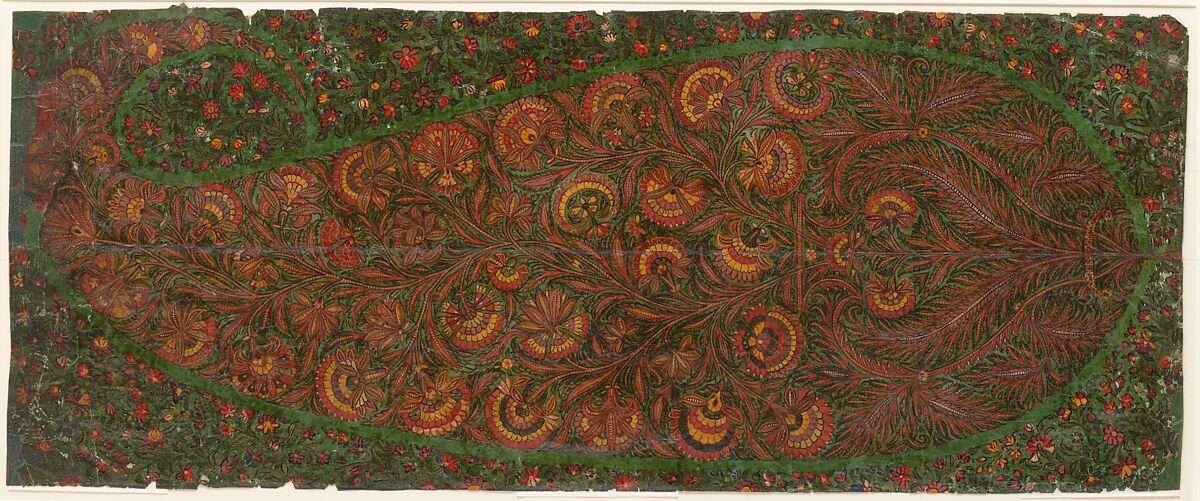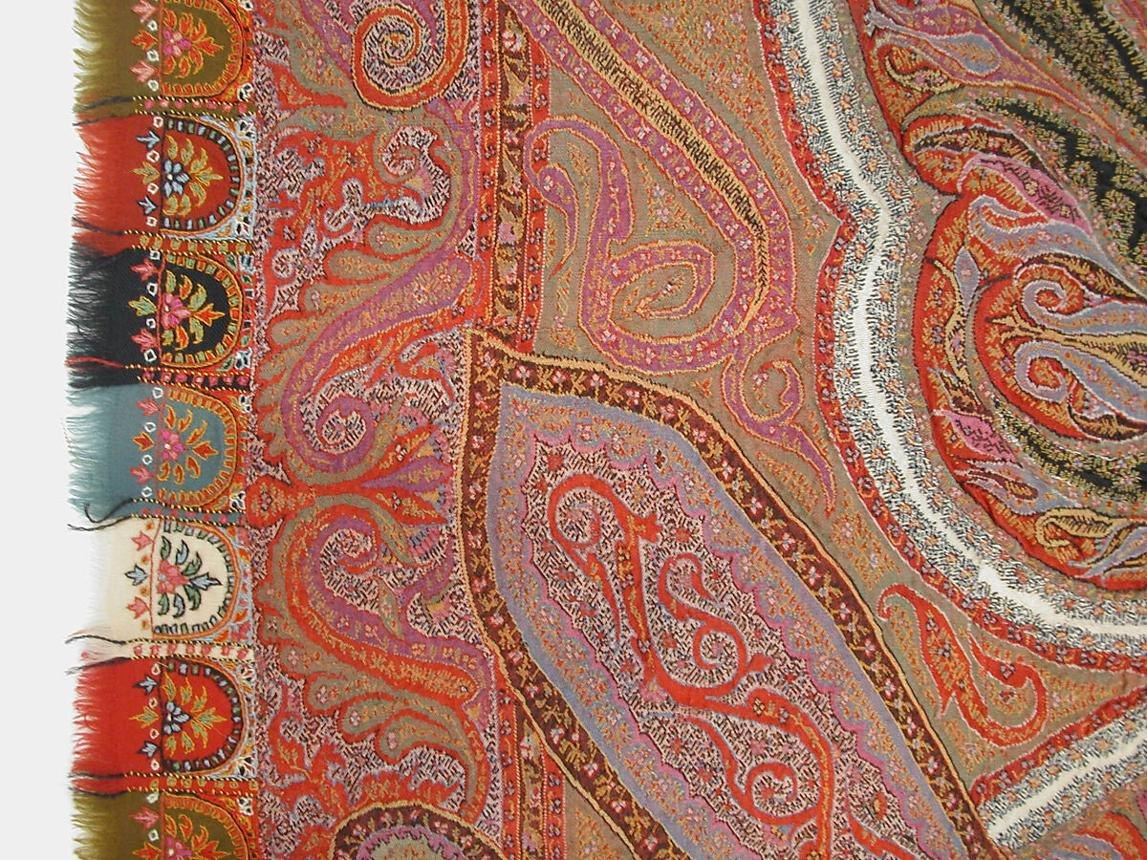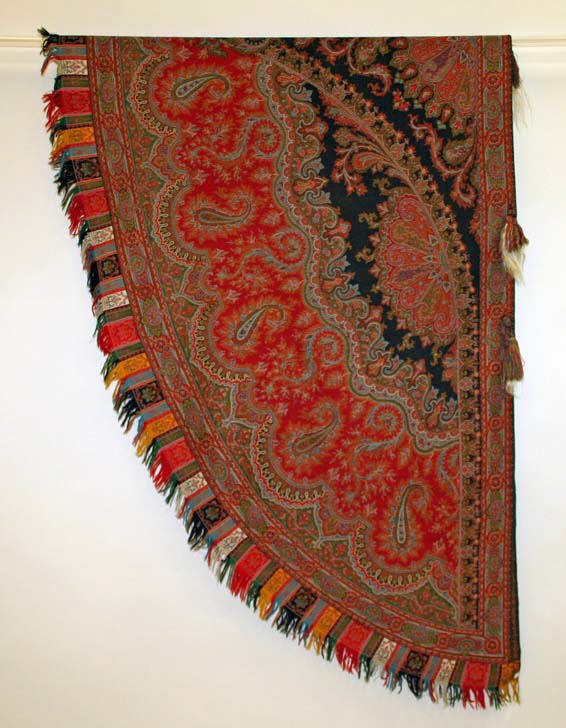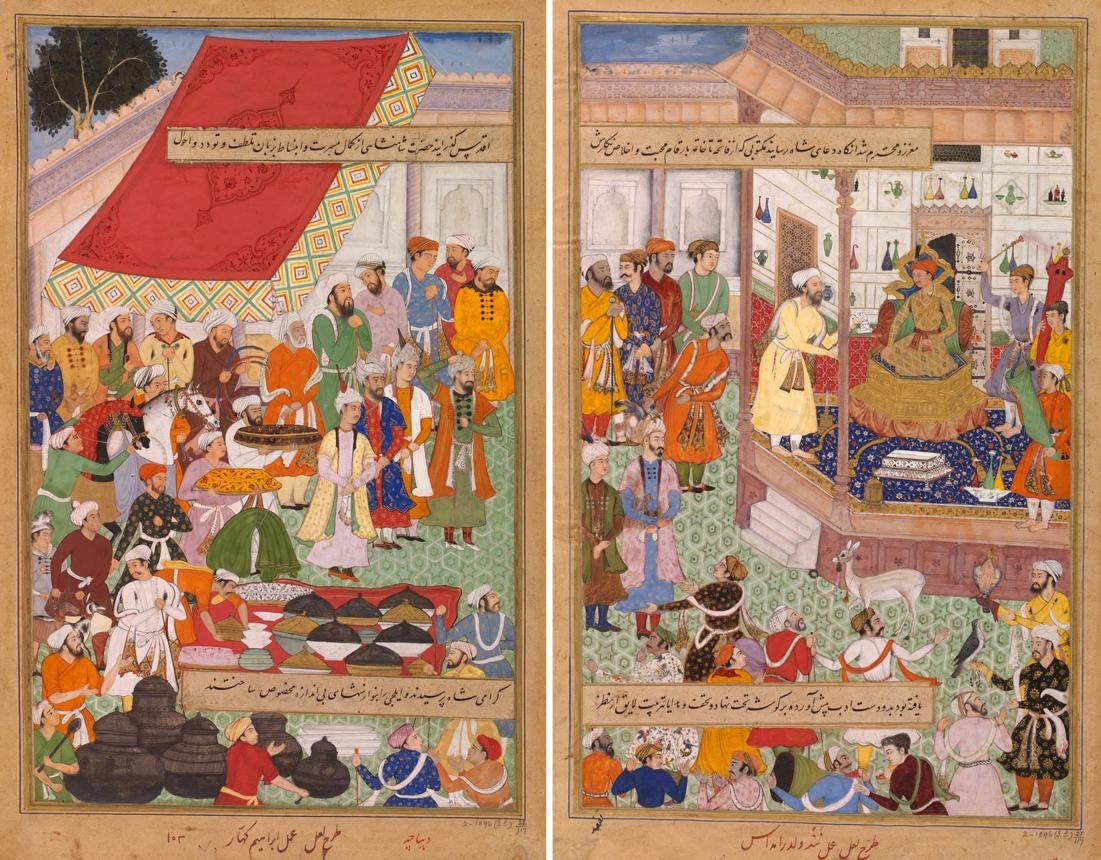
During the reign of the Mughal emperors, Kashmir shawls became prestigious garments associated with courtly life. Expensive textiles were used in the practice of khil’at, a robe of honour presented by a ruler to recognise service, loyalty or achievement. Such gifts were not simply clothing; they communicated favour, rank and political relationships.
A finely made shawl could therefore carry a message without a single word being spoken.
Imagine receiving a textile whose value lay not only in its softness, but in the fact that an emperor had chosen it as a mark of honour.
The story behind the gift: before Kashmiri shawls became prized accessories in European wardrobes, they were already part of the visual language of power in South Asian royal courts.